Fencing Installer Melbourne: Installing Colorbond Fence Panels
If you have actually ever before stood in your front yard in Melbourne and attempted to visualize exactly how a fence will really look as soon as it's up, you already comprehend why this task has a few peaceful hurdles. A Colorbond fencing can look tidy for decades, however just if the messages are directly, the railways up, and the panel spacing matches the method your yard in fact sits, not the way it views a level brochure.
I'm a fencing installer that has invested a lot of days on genuine footings, in actual weather condition, with actual surprises under the surface. The ground here can be persistent, inclines can be refined up until you lay a straight string line, and Victorian council and border policies can matter more than individuals anticipate. This overview is created for home owners and anybody intending a fence installation, concentrating particularly on installing Colorbond fencing panels, from determining through to the completed panels that rest level and feel strong when you give them a mild push.
Along the method, I'll utilize the sensible wording you hear from skilled fence installer Melbourne crews, and I'll additionally point out where fence installer installers usually miss out on details.
Why Colorbond fencing panels are preferred, and what that transforms on site
Colorbond is a steel product, which implies it is lightweight compared to stonework, consistent in colour, and created outside climate. In Melbourne, that issues due to the fact that you can have a dry week adhered to by wind and rainfall that locate every little space. An appropriately mounted Colorbond fencing is not simply "excellent looking", it's predictable.
But "steel fence" likewise transforms the work. With timber, you can in some cases tweak things by planing, trimming, or changing just how rails bite right into the lumber. With Colorbond panels, you are dealing with taken care of panel sizes, specific rail spacing, and blog post placements that require to be precise. If the messages enter uneven by even a small amount, the rails will not rest normally and the panel sides can look uneven. When that takes place, you are not just dealing with look. You're handling the fence's long term stability, because whatever is mechanically tensioned via those link points.
So, yes, this is a work concerning panels. It's likewise a task regarding geometry.
Planning the line: boundaries, sight lines, and "where will the posts in fact go?"
Most fence installer Melbourne jobs begin with a border conversation and a truth check. A great deal of people think the fence line is a straight shot from factor A to direct B. In some cases it is. Usually it's not.
You wish to validate:
- where the lawful limit sits versus any easements or solutions,
- whether there are any kind of driveway crossings or council setbacks,
- whether you're building to the building line or aligning to a recognized fence line, and
- what elevation approvals or neighbour arrangements are needed.
I have actually seen fencing installer staffs obtain halfway through digging and afterwards find they were somewhat off. The fence still goes up, however the house owner winds up spending for rework, which is never ever cheap. The wasted time alone is irritating, however it additionally runs the risk of damaging garden functions, relocating messages, or readjusting rail lengths.
When I'm reserving a fence installer (or fence installers) for a quote, I ask about existing fencings, maintaining walls, and any "type of in the way" products like old garden edging, sprinkler zones, and concrete stubs. Even if you think you know the ground, Melbourne backyards hide surprises.
If you can, note the proposed fence line on the ground and step along it. Consider it from the street and from inside the yard. Sight lines matter since a fence that is completely directly from one angle can keep an eye out of line from an additional if you're fighting a minor slope or a countered boundary corner.
Measuring like you'll pay for it later if you rush it
Measuring is where the quality begins. It's also where lots of fence installer Melbourne work fail, not due to the fact that the installer is negligent, yet because the property owner requires the fence faster than the website allows.
The essential measurement isn't simply "general length." It's the spacing in between posts, the positioning of edge blog posts, and how the fence steps over unequal ground. For Colorbond fencing panels, the panel height and design usually call for specific rail spacing, which rail spacing requires to "act" as it runs from blog post to post.
Here's what I take note of throughout measuring:
First, the post layout. If you space messages based only on length separated by number of panels, you might wind up with unpleasant partial panels at one end. In some cases that's great, sometimes it looks careless. A specialist fence installer Melbourne staff will certainly attempt to balance it, maintaining cut panels to reasonable dimensions so the fencing looks uniform.
Second, the ground account. If one section of the lawn inclines, you require to make a decision just how the fencing will follow it. Choices usually include stepping the fence elevation down progressively or keeping panel elevation and resolving the level with even more complex modifications at the base. With Colorbond, you can usually attain a clean appearance by tipping, yet only if you prepare it while gauging, not after the holes are dug.
Third, positioning. I such as a taut string line for futures, after that I sign in multiple areas. A single measurement tape stretched from one end can lie to you if the ground dips mid-run.
Tools and materials you really need for Colorbond panel installation
A Colorbond Fence fencing is simple in principle, but the set up is mechanical. Panels attach to rails, rails connect to messages, and blog posts are set in grounds that hold under wind load.
If you have actually ever before watched a fencing installer work, you'll notice the pacing is tranquil, due to the fact that the devices make it repeatable. Most tasks use usual tools, but you do require them to match the task and the footing method you're using.
Here's a simple material and tool check that keeps surprises down on the day. This isn't a complete components checklist, just the functional "do we have the ideal stuff" state of mind:
- The right Colorbond panels and finish caps for the picked style and colours
- Posts and rails sized for the fence style and panel span
- Concrete mix appropriate for exterior footings, plus any type of called for crushed rock or water drainage approach
- Fasteners and brackets intended for Colorbond rail connections, not common replacements
- Basic placement tools like string lines, level, and gauging tape
If any of those aren't right, the fencing may still rise, yet it will certainly be harder to get it straight and might cost you extra time.
The mount procedure, from footings to finished panels
A Colorbond fence installment has a few stages, and each one influences the next. When you hurry a phase, you don't just create an aggravation. You develop a visual defect or an architectural weakness that will certainly appear later.
1) Laying out and digging post holes
Once the line is marked, the openings enter. The deepness and diameter of the openings rely on local problems, blog post dimension, and engineering needs of the product system. There's no single number I can promise for each backyard, since dirt can vary and wind exposure can differ.
In Melbourne, I often deal with compressed soil near paths and looser soil in yard sections. If the dirt is extremely sandy or really clay heavy, the ground strategy requires to show that. A good fencing installer won't make believe every building is the same.
I likewise watch out for solutions. Despite having "absolutely nothing noticeable," you can face lawn sprinkler lines, old avenue runs, or drain connections. If you're unsure, get a services area check prior to digging. It can save actual money.
2) Placing articles plumb and aligned
Posts are the heart of the fence. Rails are developed to connect to blog posts, and panels are created to sit within the rail framework. That suggests if articles are not plumb, you will certainly feel it as you go.
The strategy is to place a post, set it plumb with a degree, after that secure it so it holds setting while you complete the footing.
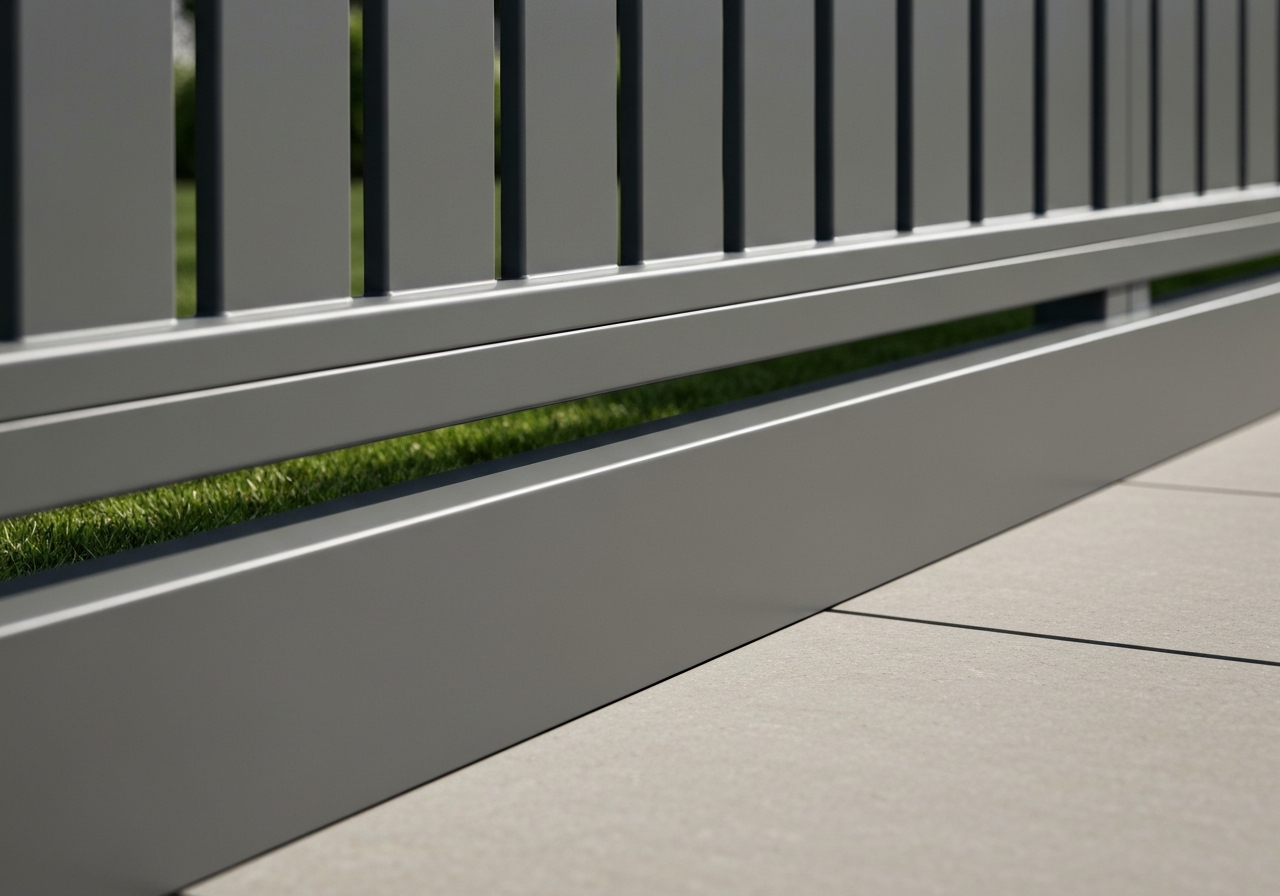
Sometimes the ground is sloped or unequal under the hole. In those situations, you require to adjust the blog post placement and ground technique so it ends up plumb in the final position. If you "hope" it will certainly correct during concrete pouring, you can wind up with a post that leans slightly once the concrete sets.
3) Concrete curing and monitoring before rails
Here's where persistence pays. Concrete requirements time to treat before rails are linked and the fencing is properly loaded. If you connect rails too early and the footing shifts even a little, you'll spend the next hours trying to repair placement with modifications that never ever completely address the problem.
A useful approach is to let concrete cure to a degree where movement is unlikely, after that do a last check of article placement and spacing. I usually check with string lines once again also when the articles looked fine. It's an added action, but it catches the "tiny blunders" that turn into recognizable fence waves.
4) Installing rails and maintaining the fence consistent
Rails are where lots of people start discovering design information. With Colorbond, you want consistent rail height and spacing. If the fencing line steps due to slope, the rail setup needs to match that decision.
I keep rails straightened at the proper heights and confirm end to finish placement. If you have a gate opening, rail placement near the gate hardware issues a lot more. Entrance structures count on regular mounting factors, and if the rails or messages aren't in the right position, the gate can droop, bind, or refuse to shut smoothly.
During rail installation, I use brackets and bolts that match the system. Common bolts can wear away much faster or fall short in a different way, and they can also create a sloppy fit that makes panels sit imperfectly.
5) Panel positioning, taking care of, and final spacing
Panels are the visible component, to make sure that's what property owners bear in mind. However the panel phase relies upon whatever underneath being right.
When panels go in, I look for:
- correct seats on the rails,
- consistent panel spaces where the style uses them,
- straightness of panel borders across the line,
- and appropriate orientation of any overlapping components.
Colorbond panels can be forgiving if the installer is attentive, however they're not forgiving if the structure is off. If an article is a little out of line, you could be able to "persuade" a panel forcibly it, however that commonly results in a tension point or a crooked look that ends up being evident in daylight.
Once panels are repaired, I do a final stroll around, viewing the fence from multiple angles. A fence can look square from one side and a little off from the various other. That's why knowledgeable fence installers don't just inspect with levels, they examine with their eyes too.
A glimpse at typical side cases in Melbourne yards
Every building has its own peculiarities. Melbourne suburbs can share weather patterns, yet backyards act in a different way due to dirt, landscaping, and prior alterations.
One repeating issue is irregular ground that seems "minor" till you install rails. A small dip can make the panel line resemble a surge if you don't step and prepare. The option is often to step the surround increments that look deliberate, keeping panel edges straightened with the design.
Another is existing fencings or fencing remnants. I've eliminated areas where the old blog post spacing did not match a standard panel width, so the property owner intended to "simply attach new panels to old blog posts." That can be done, however it calls for careful positioning and appropriate brace choice. If the old articles are as well much apart or badly out of plumb, it's usually better to reconstruct that area properly.
Wind direct exposure additionally changes just how much you need to respect positioning and footing quality. If the fencing encounters open winds, it's still "simply a fence" in the homeowner's mind, however it's a structural surface in the installer's world.
Neighbour and council factors to consider that matter before the initial hole
Even when the work is totally about installing Colorbond fencing panels, you need to stay knowledgeable about guidelines around borders and elevation. Neighbor partnerships also matter because fencings commonly sit beside everyday life, not simply on a plan.
As a sensible issue, speak to your neighbour early if possible. I have actually had great results from a quick discussion like, "I'm beginning following week, the line is right here, and the coating will certainly get on your side such as this." Fencing Contractors The majority of people appreciate clearness, and it minimizes the chance of complaints that can lead to delays.
From a safety and security and conformity view, you also wish to make sure the fence elevation and placement align with whatever relates to your building. Some areas have particular standards, and approvals can depend upon the fence height, border area, and your existing frameworks. It deserves inspecting before you devote to a design and height.
A fence installer Melbourne can lead you on normal market technique, but you're still the one in charge of making certain the construct is certified for your website. If you're unsure, confirm with the relevant neighborhood requirements.
Choosing the panel colour and surface without regretting it later
Colourbond is available in a range of tones, and in Melbourne, the sun and the moist can change how colours look over time. A dark colour can look great in the display room and afterwards show dirt or minor marks quicker. A lighter colour can mix perfectly with light brick or render.
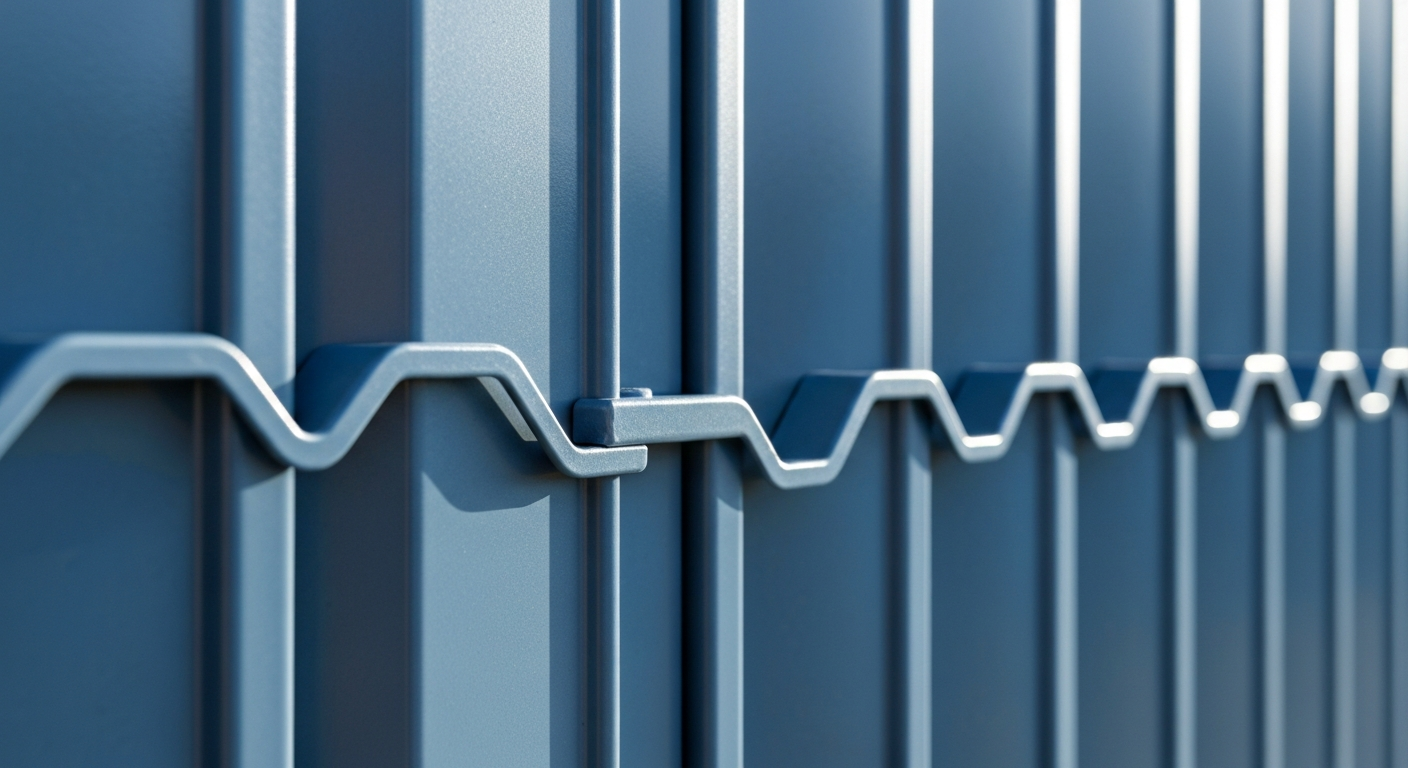
I don't press people right into a colour option, yet I encourage a quick "suit examination." Hold the colour example against your wall surface, your paving, and your roofing system line. Do it in daytime, not under a shop light. If you have a garden with strong environment-friendly vegetation, think about contrast. The fencing is a backdrop.
Also think about how the fence will weather. Colorbond is made to last, however any kind of outdoor surface area gathers gunk in the first months relying on rains and close-by trees. If you have trees shedding pollen or leaves, choose a colour that you will not mind cleaning.
If you're intending a bigger job, such as a full limit upgrade with several sections, maintain the appearance consistent. That's where fence installers make repeat work, due to the fact that home owners notice when one section looks somewhat different in tone because of timing, angle, or substitute set differences.
Typical timeline, and why "fast" installs can still be done properly
Homeowners frequently ask, "How much time will it take?" The answer depends upon range, website intricacy, ground problems, and treating time. A simple straight keep up respectable access can be reasonably fast. A property with inclines, entrance openings, and complicated dirt requires more time.
The component lots of people ignore is treating and positioning checks. Hurrying that step is where fence installer installers wind up doing additional journeys and touch ups.
In a calm, well-planned install, you generally see:
- setup and measuring initially,
- digging and article placement,
- concrete remedy period,
- rails and panels installation,
- and finally, completing information around edges and gates.
If a staff guarantees "all carried out in a day" for a long border, ask concerns regarding healing and exactly how they'll make certain everything is square. A fencing that bends or wanders after the team leaves is not a win.
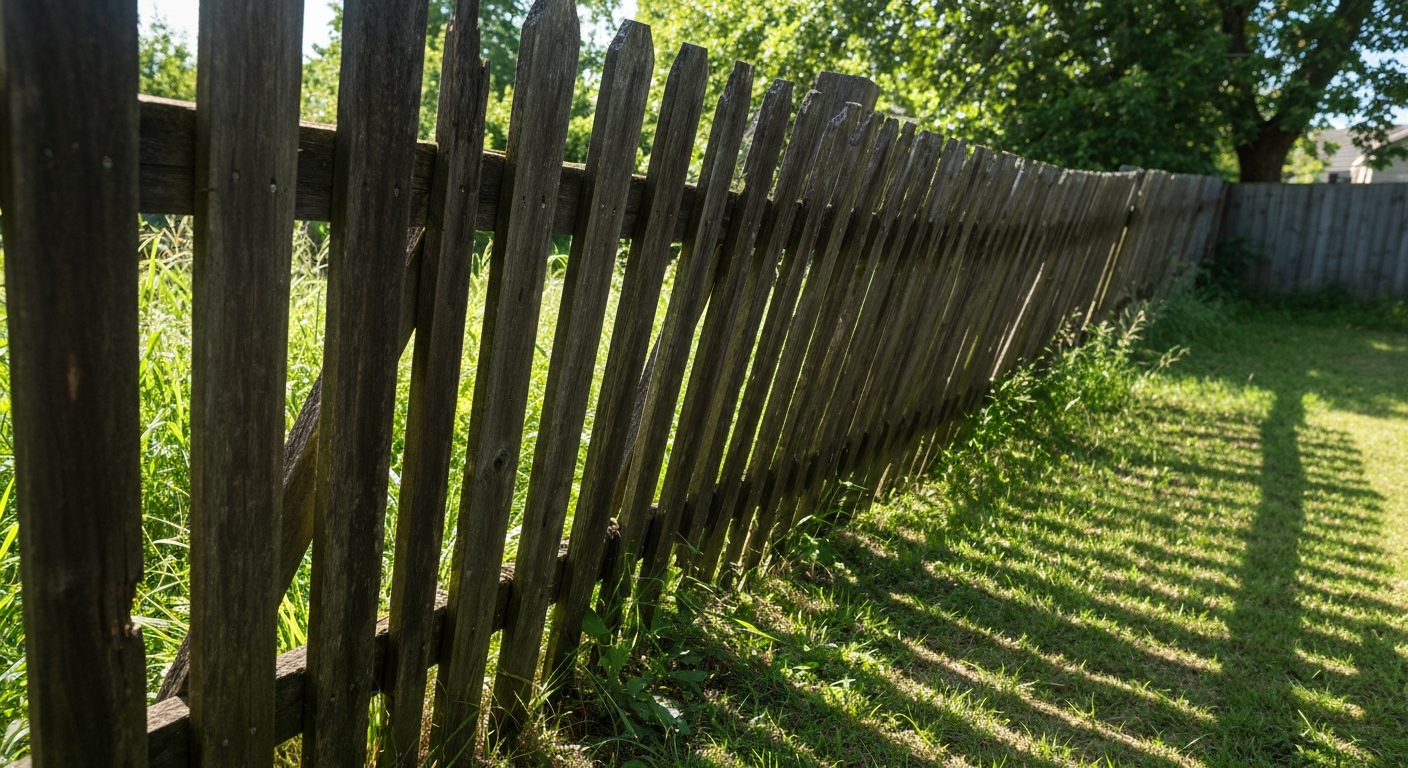
Quality signs you can find when a fence installer Melbourne team is doing it right
Most house owners can't see whether the ground is excellent once concrete is in the ground. Still, there are aesthetic indications during the build that tell you just how careful the procedure is.
You'll understand you remain in excellent hands if the installer:
- keeps blog posts plumb and checks alignment frequently,
- uses proper braces and bolts planned for the system,
- doesn't force panels when something is off,
- steps the fence realistically on inclines rather than "making it work" at the end,
- and tidies up promptly, particularly around garden edges and driveways.
You can additionally ask to see the measurement and layout prior to digging. A fencing installer that has actually done this a thousand times will certainly comprehend why you're asking. The point isn't to doubt the team, it's to verify you're building what you concurred on.
One extra functional point: ask where the fencing will sit relative to any existing garden attributes. If you have mature plants close to the border, plan for defense. An excellent fence installer Melbourne solution treats yards like component of the work, not an obstacle.
Maintenance after installation, so the fence maintains looking "simply set up"
Colorbond is reduced maintenance, yet it still benefits from standard maintenance. Dirt settles, leaves collect, and seaside or commercial air can make grime more recognizable relying on your area.
Maintenance does not have to be made complex. After hefty storms, I advise a fast tube to get rid of surface grit, specifically near trees and downwind sides. If you see any kind of marks that don't wash off, utilize a mild cleaner ideal for repainted steel, and prevent extreme abrasives that can damage the coating.
Also check the fencing regularly around:
- gate hinges and latches,
- any posts near lawn sprinkler zones,
- and rail bolts if you observe movement.
That tail end sounds fussy, but it's like examining your door hinges after a season of heavy weather. If something is loosening, capturing it very early prices much less than correcting fencing positioning later.
How to talk with fence installers and obtain a quote that makes sense
This is the part that shields you from unpleasant shocks. When you ask for quotes, you're not simply contrasting rates. You're comparing how each fencing installer Melbourne group intends the job and the information they include.
I usually encourage people to request for clarity on:
- panel style and colour,
- post spacing and panel height,
- footing method and website problems,
- whether the fencing will certainly be tipped for inclines,
- and how gateways are handled.
You do not need to end up being a fencing engineer. You just need enough detail that you can see whether one quote is based on the very same presumptions as another.
To make it simple, I maintain a brief concern list useful, since it stops the traditional "we didn't realise" moment:
- Which panel style and rail configuration matches the layout received the quote?
- How will you deal with the incline, and will it look stepped or level with infill modifications?
- What is your suggested article spacing and footing depth approach for this dirt type?
- Does the quote consist of entrances, edge systems, and end caps, or are those additionals?
- What timeline and healing method will you follow before you affix rails and panels?
The best fence installers Melbourne teams will certainly answer without obtaining protective, because excellent installers anticipate questions.
Final thoughts from the jobsite perspective
When a Colorbond fencing is set up well, it disappears right into the landscape in the most effective method. You stop considering it, since it really feels right. The line is straight sufficient to look willful. The panels look even. Eviction closes efficiently. And after rainfall and wind, you don't get that worried sensation that something shifted.
If you're working with a fence installer, or comparing fence installers, look past the advertising images and concentrate on the basics: blog post alignment, rail uniformity, correct panel seating, and sensible handling of slopes and borders. Fence installer Melbourne work is a mix of dimension discipline and on-the-day judgement, which is where experience shows.
Whether you call it a fencing installer, fence installers, or fence installer Melbourne, the core expectation coincides. The panels ought to look effortless due to the fact that the framework underneath is done properly.
If you desire, tell me your harsh fencing length, whether the line inclines, and whether you're including a gate. I can help you think through the key decisions that influence panel spacing and the "completed look" prior to you lock in a plan.